
AI in education: we’ve moved past ‘should we use it?’ so, what comes next?
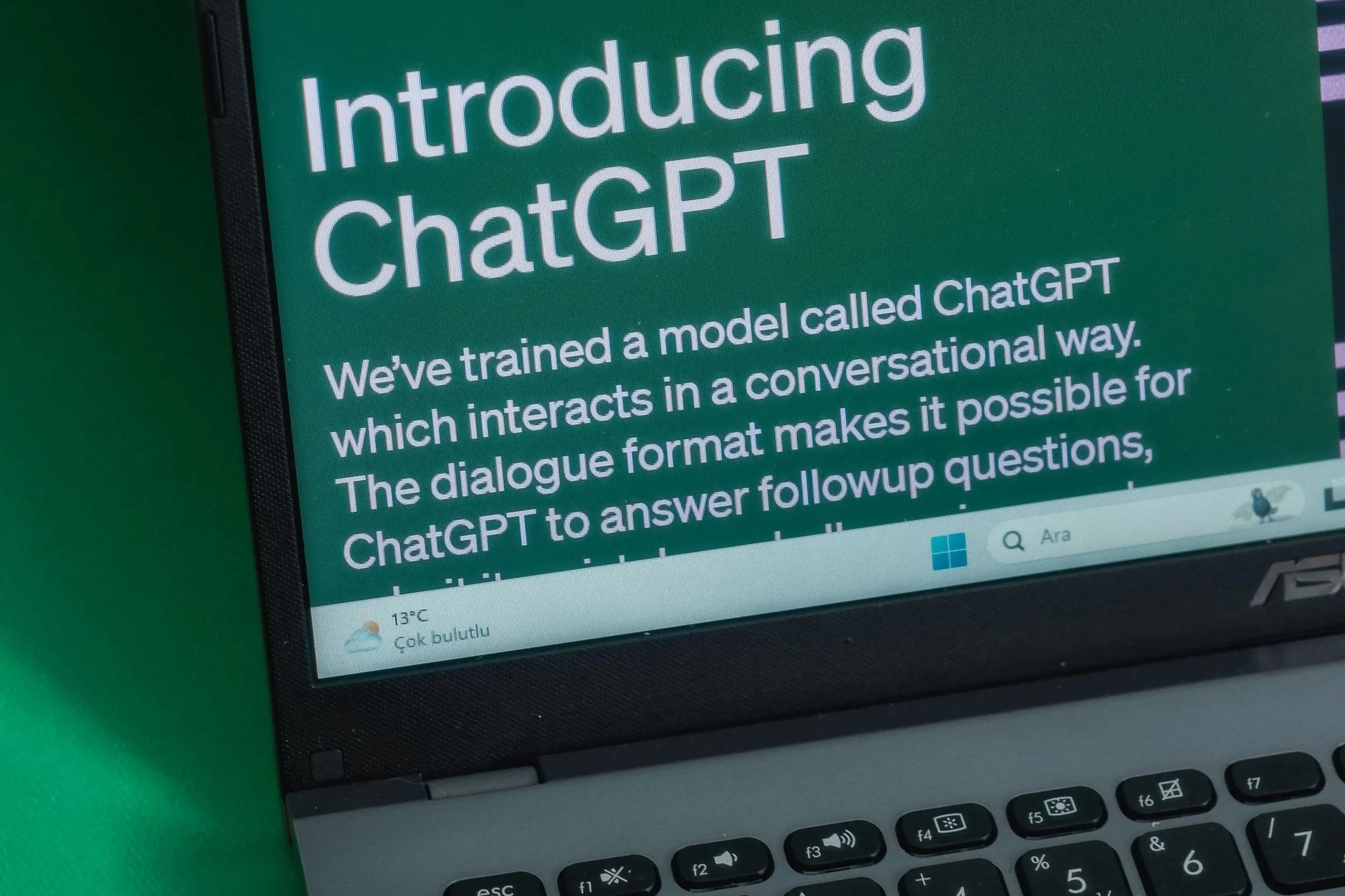
Not long ago, schools were asking whether AI belonged in education at all. Should pupils be using it? Should teachers? Was it something to embrace, restrict or simply keep an eye on?
Those questions haven’t disappeared, but they’re no longer enough.
AI is already here. Pupils are using it, teachers are experimenting with it, employers are building it into the way they work and new tools are appearing faster than schools can reasonably write policies for them.
So the question facing education now isn’t simply should we use AI? It’s how do we use it well?
At BRILLIANT Festival this November, that question runs through conversations across the agenda. Not AI for AI’s sake, but what it means for teachers, pupils, school leaders and the world young people are preparing to enter.
How do we keep pupils safe without shutting AI out?
Safeguarding is one of the biggest challenges.
Schools need to think beyond whether pupils are allowed to use ChatGPT or other generative AI tools. What happens to the information pupils enter? What are the risks around misinformation, inappropriate content, bias and privacy? How do we teach young people to question what AI gives them rather than simply accept it?
BRILLIANT Ambassador Emma Darcy has previously spoken about how attending BRILLIANT prompted her school to rethink its approach to AI safeguarding. (link)
That is exactly the kind of conversation we need now. Moving beyond banning or embracing technology and towards understanding how schools can create safe, informed environments in which it can be used responsibly.
What should an AI policy actually look like?
This is perhaps one of the hardest questions for school leaders because the technology is moving so quickly.
A policy written today could easily feel outdated a year from now. Schools therefore need more than a list of approved and prohibited tools. They need principles that help staff and pupils make good decisions as technology changes.
Where are the boundaries? When does using AI support learning, and when does it replace it? What does acceptable use look like for teachers? What about pupils? How should schools approach transparency?
BRILLIANT gives educators the opportunity to hear how others are approaching those questions and, importantly, to discuss what is and isn't working.
What does good classroom use actually look like?
Once you move beyond the novelty of asking an AI tool a question and watching it produce an answer, things become much more interesting.
Where can AI genuinely improve learning?
Where could it help teachers differentiate resources or make learning more accessible?
Could it give pupils new ways to explore ideas, create, research and problem-solve?
And just as importantly, where shouldn't we use it?
Technology should never be the starting point. That means asking what we're trying to achieve first, then deciding whether AI can help us achieve it better.
Can AI actually give teachers time back?
This may be one of AI's biggest opportunities in education.
Teachers don't need another piece of technology that creates more work, they need tools that remove some of it, offering resources for admin such as planning, creating resources, analysing information, drafting communications and adapting materials.
There are already ways AI can support many of these tasks, but using it effectively requires confidence, experimentation and an understanding of where human judgement still matters.
If AI can take care of some of the repetitive work around teaching, the real opportunity isn't simply greater efficiency. It's giving teachers more time for the parts of their job that technology cannot replace.
Are we preparing pupils for a workplace that already uses AI?
Perhaps the biggest question isn't about what happens in classrooms today, but what happens when pupils leave them.
The young people currently sitting in our schools will enter workplaces where AI is likely to be embedded into countless roles and industries. They will need to know how to use these tools, but technical ability alone won't be enough.
They'll need to question the information AI is providing them with, including solving problems, communicating, creating, and collaborating. Understanding when AI is useful and recognising when it isn't is going to be one of the most important things young people can learn.
In other words, the rise of AI makes many of the skills education has always valued even more important.
So, what comes next?
There isn't one answer, and there certainly isn't one AI tool that will solve every challenge facing education.
What schools need is the opportunity to ask better questions, learn from what others are doing and decide what responsible, useful AI looks like in their own context.
That's what the AI conversations at BRILLIANT are designed to do.
On 10 November 2026 at Exhibition Centre Liverpool, educators, school leaders, technology experts and industry will come together to explore not whether AI has a place in education, but what we do with it now that it's here.
[REGISTER FOR BRILLIANT FREE TODAY]