

The Future of Education in the UK
Education in the UK is undergoing significant change and here’s why

Innovation is shaping modern schools and learning environments
Advances in technology, evolving workforce expectations and new approaches to teaching are reshaping what schools prioritise. Artificial intelligence, digital tools and interdisciplinary learning are influencing how students engage with knowledge.
At the same time, employers are placing greater value on adaptability, collaboration and problem-solving. As these forces converge, schools are rethinking how to prepare young people not just for exams, but for long-term success in a changing world.

What is changing in UK education?
Education in the UK is being influenced by changes happening both inside and outside the classroom.
Technology is becoming embedded in everyday learning. Artificial intelligence, adaptive platforms and digital assessment tools are influencing how lessons are delivered and how progress is measured.
Employers increasingly prioritise transferable capabilities such as critical thinking, communication and digital literacy alongside academic qualifications.
Pedagogy is shifting from content delivery toward deeper understanding. Inquiry-based learning, project work and interdisciplinary approaches are gaining prominence.
Industry collaboration is strengthening. Schools are working more closely with employers to connect classroom learning to real-world applications and workforce needs.
These developments are not isolated trends. They reinforce one another and contribute to a broader transformation in how education functions.
Key forces shaping the future of education
Technology and digital transformation
Technology in education refers to the use of digital systems, data tools and artificial intelligence to support teaching and learning. In the UK, this includes adaptive learning software, AI-assisted feedback systems and hybrid learning models.
When used effectively, technology can improve access, support personalised learning and reduce administrative workload. However, its impact depends on thoughtful implementation and strong professional development.
Skills and workforce alignment
Future skills education focuses on preparing students for careers that may not yet exist. This involves building adaptability, resilience and collaboration alongside subject knowledge.
As industries change rapidly, education must balance academic depth with broader capability development.
Evolving teaching approaches
Pedagogy describes the methods and principles of teaching. In recent years, there has been growing emphasis on approaches that promote active engagement, critical thinking and interdisciplinary understanding.
This includes project-based learning, STEAM integration and collaborative problem-solving.
Collaboration between education and industry
Industry partnerships in education connect students with real-world contexts. Employer engagement, mentoring and curriculum collaboration help ensure that learning remains relevant while preserving educational integrity.
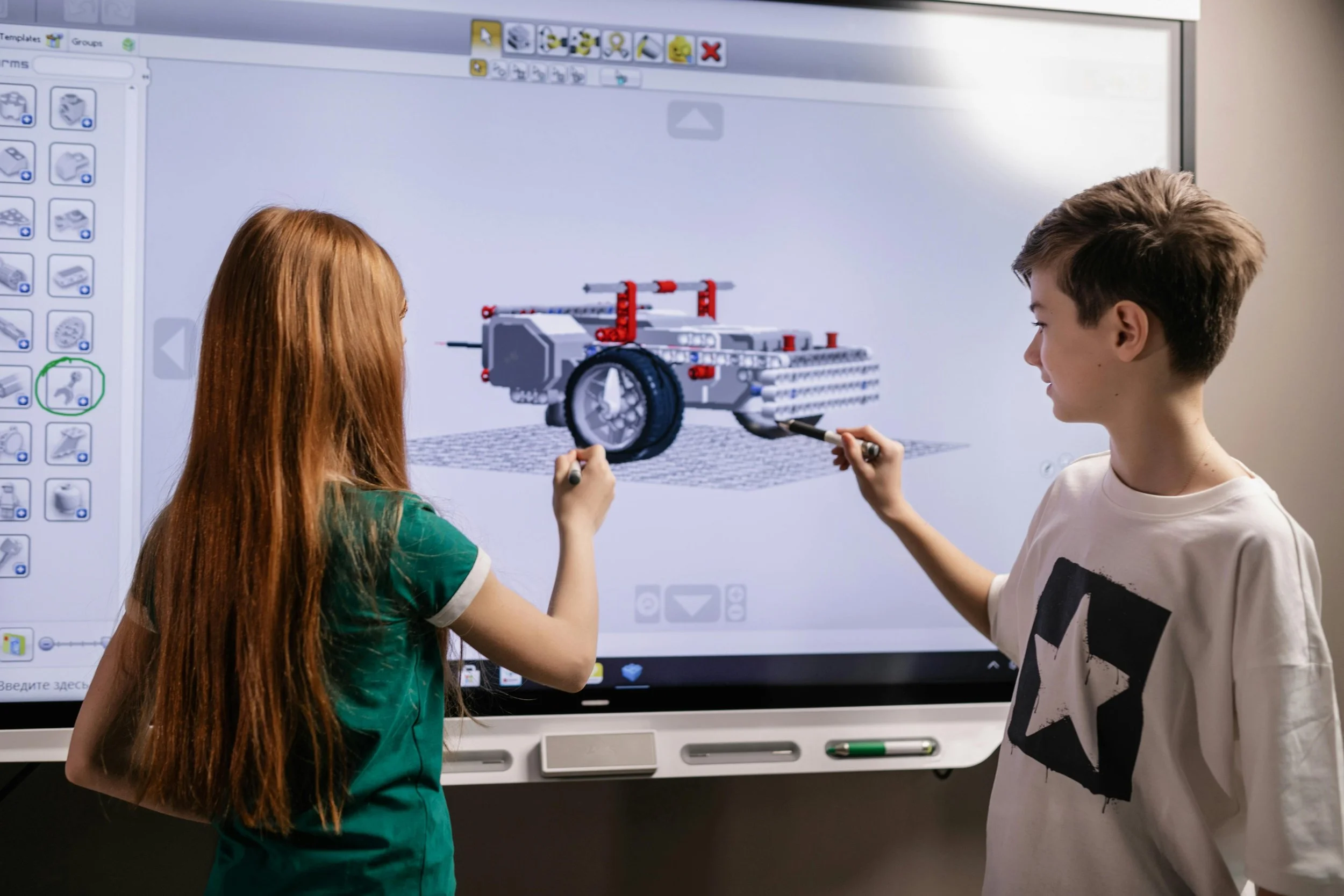
Major trends in UK education
Several trends illustrate how these forces are shaping practice:
– Increasing integration of artificial intelligence and data-driven systems
– Greater emphasis on interdisciplinary learning, particularly through STEAM
– Expansion of digital literacy across all subject areas
– Stronger links between schools, universities and employers
– Renewed focus on inclusion and equitable access to technology

What this means for schools and educators
For schools, the future of education requires long-term thinking, rather than short-term reaction. Investment in professional development becomes essential, particularly in digital confidence and interdisciplinary teaching.
For educators, the shift involves balancing innovation with clarity. Technology should enhance learning, not distract from it. Skills development should complement academic achievement, not replace it.
For policymakers and leaders, the challenge lies in supporting sustainable transformation while maintaining standards and equity.
Events such as BRILLIANT Festival bring educators, industry leaders and policymakers together to explore these themes in practice. By connecting discussions around technology, skills and collaboration, they reflect the broader evolution taking place across the UK education system.
If you want to attend or partner with us on this event get in touch with the team.