
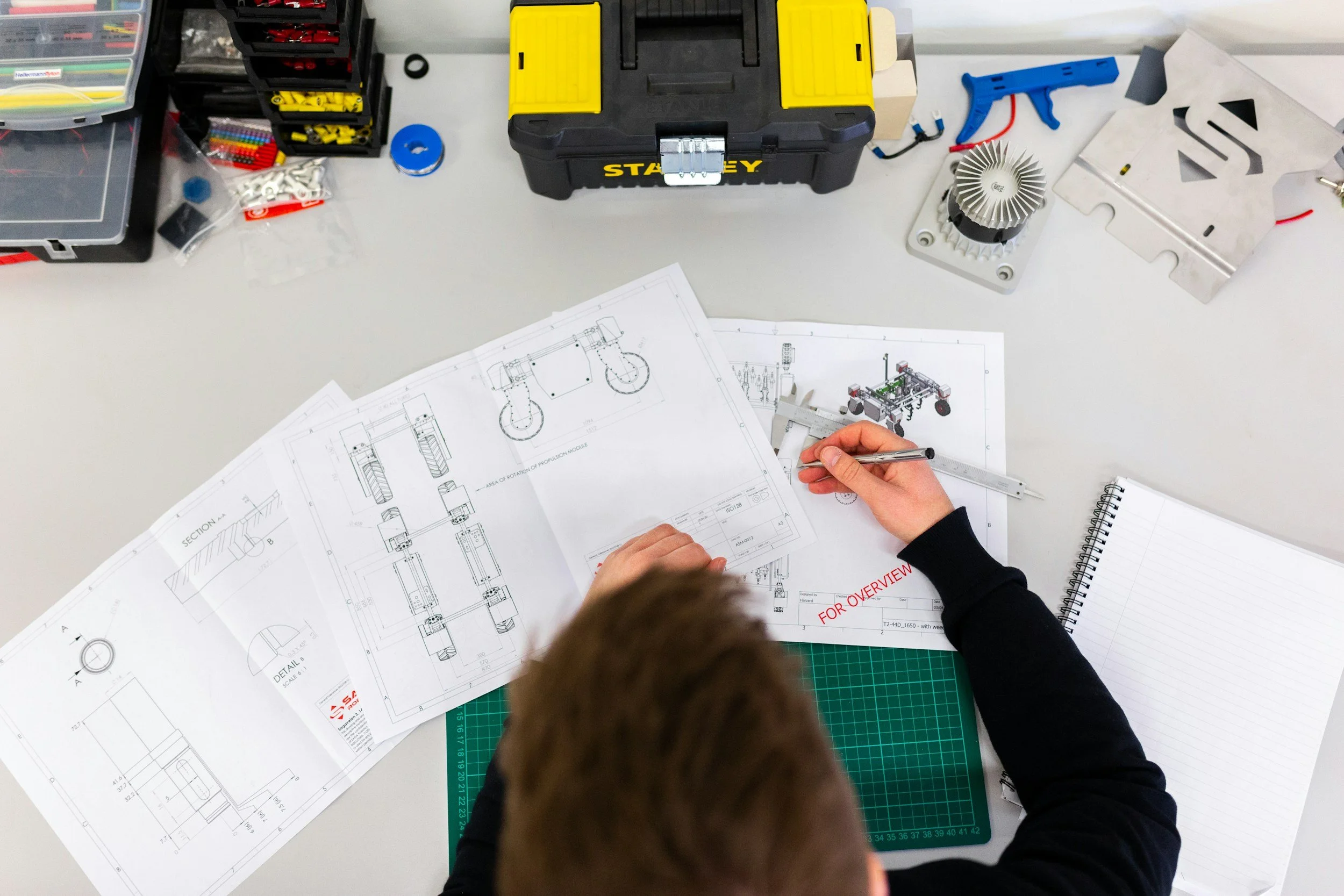
Preparing Students for Future Careers
Discover what the “future skills gap” is and how to prevent it.

Preparing students for future careers in skills, education and industry
Preparing students for future careers requires more than academic achievement alone. As industries evolve and technology reshapes the workforce, schools must prioritise transferable skills such as adaptability, digital literacy and collaboration alongside subject knowledge.
The skills gap frequently discussed by employers reflects a disconnect between education and workplace expectations. By strengthening links between schools and industry and embedding employability skills into everyday learning, education can better equip young people for long-term success.

What are “future skills”?
Future skills refer to the capabilities that remain valuable even as specific job roles change. While technical knowledge is important, employers increasingly highlight qualities that enable individuals to adapt, learn and solve new problems.
These include critical thinking, communication, digital competence, teamwork and resilience. In a labour market shaped by automation and rapid innovation, the ability to respond to unfamiliar challenges matters as much as expertise in a single area.
Future skills are not separate from academic learning. They are developed through it, when students are encouraged to question, collaborate and apply knowledge in meaningful contexts.
Understanding the skills gap in education
The “skills gap” describes the difference between the skills employers say they need and the skills many young people feel confident demonstrating. In the UK, this conversation often centres on digital capability, problem-solving and workplace readiness.
The gap does not suggest that schools are failing. Rather, it reflects the speed at which industries are changing. Education systems, by design, move more slowly than markets.
Addressing the skills gap requires closer dialogue between education and industry. It also requires a clearer narrative about outcomes. This means our education systems need to think beyond exam results, and look at students’ preparation for further study, apprenticeships and employment.
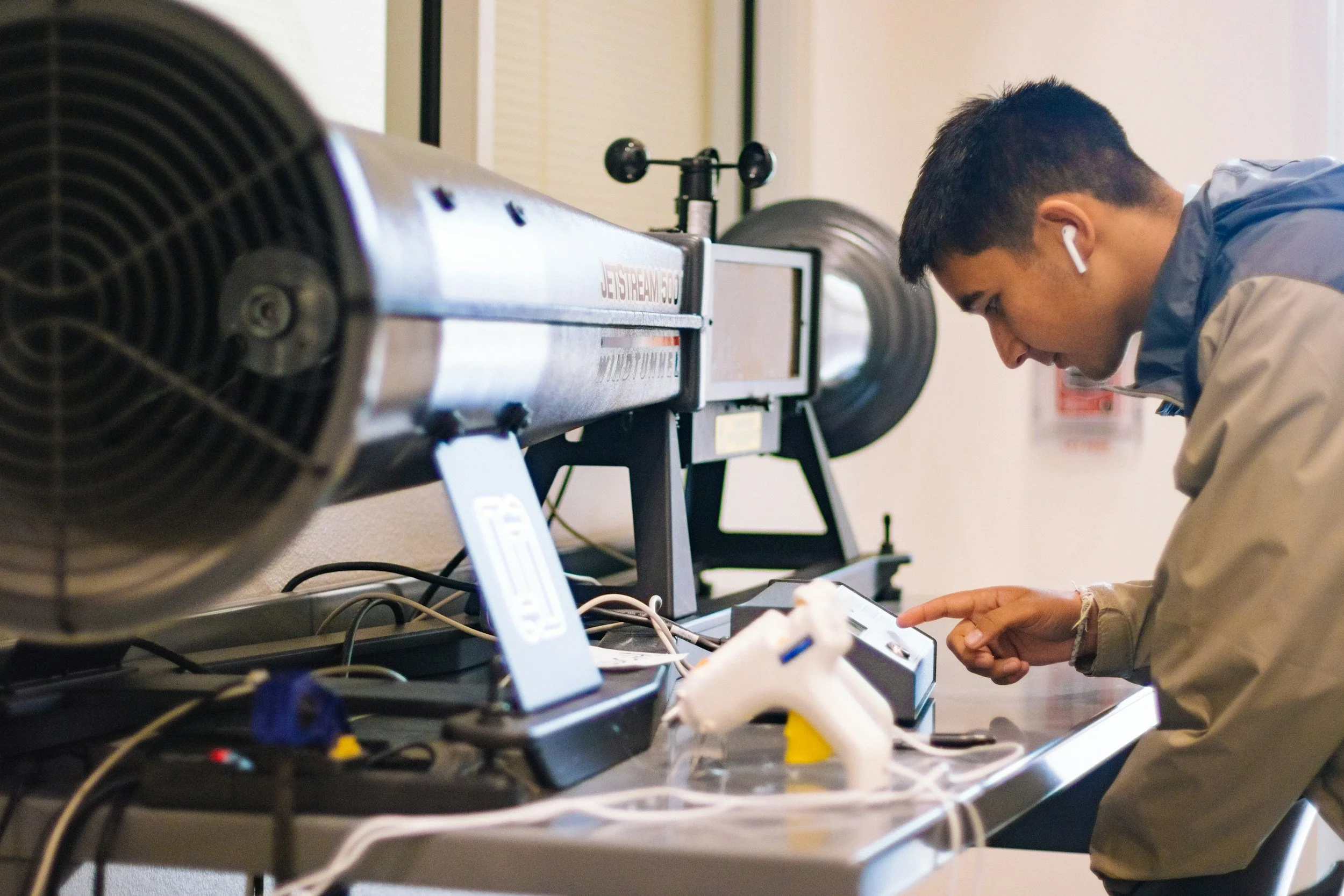
How schools can prepare students for future jobs
Preparing students for future jobs does not mean predicting specific roles. Many of tomorrow’s careers do not yet exist. For this reason, schools need to focus on building adaptable capability. This includes embedding employability skills education across subjects, rather than confining it to standalone career sessions. For example, collaborative projects can develop teamwork and communication; digital research tasks can strengthen online literacy and real-world problem-solving activities can build confidence and initiative.
Industry engagement also plays an important role. When students encounter employers, mentors or real-world case studies, learning becomes tangible. Career pathways feel less abstract and more achievable.
Platforms such as BRILLIANT Festival reflect this growing intersection between education and workforce development, bringing educators and industry leaders together to explore how future skills can be strengthened in practical ways.

Employability skills and education outcomes
Employability skills education should not reduce schooling to narrow economic utility. Education remains about intellectual growth, civic awareness and personal development.
Skills such as collaboration, initiative and ethical judgement support both workplace success and a student’s at-home community. When schools integrate these capabilities intentionally, they enhance rather than replace academic rigour.
For school leaders and policymakers, this means broadening the definition of success. Exam performance remains important, but long-term outcomes, including progression into further education, apprenticeships or fulfilling careers, are equally significant indicators of impact.
Preparing students for future careers is not the responsibility of schools alone. Employers, policymakers and education providers must work together to ensure that learning reflects both current realities and emerging trends.
The most effective approaches recognise that workforce readiness and educational integrity can coexist. When skills development is embedded thoughtfully within strong subject teaching, students are better equipped to navigate uncertainty with confidence.
We know the future of work will continue to evolve. Education’s role is to ensure that young people are not simply prepared for their first job, but capable of adapting to many roles across a lifetime.