
What Is STEAM Education and Why Does It Matter in 2026?
A simple definition
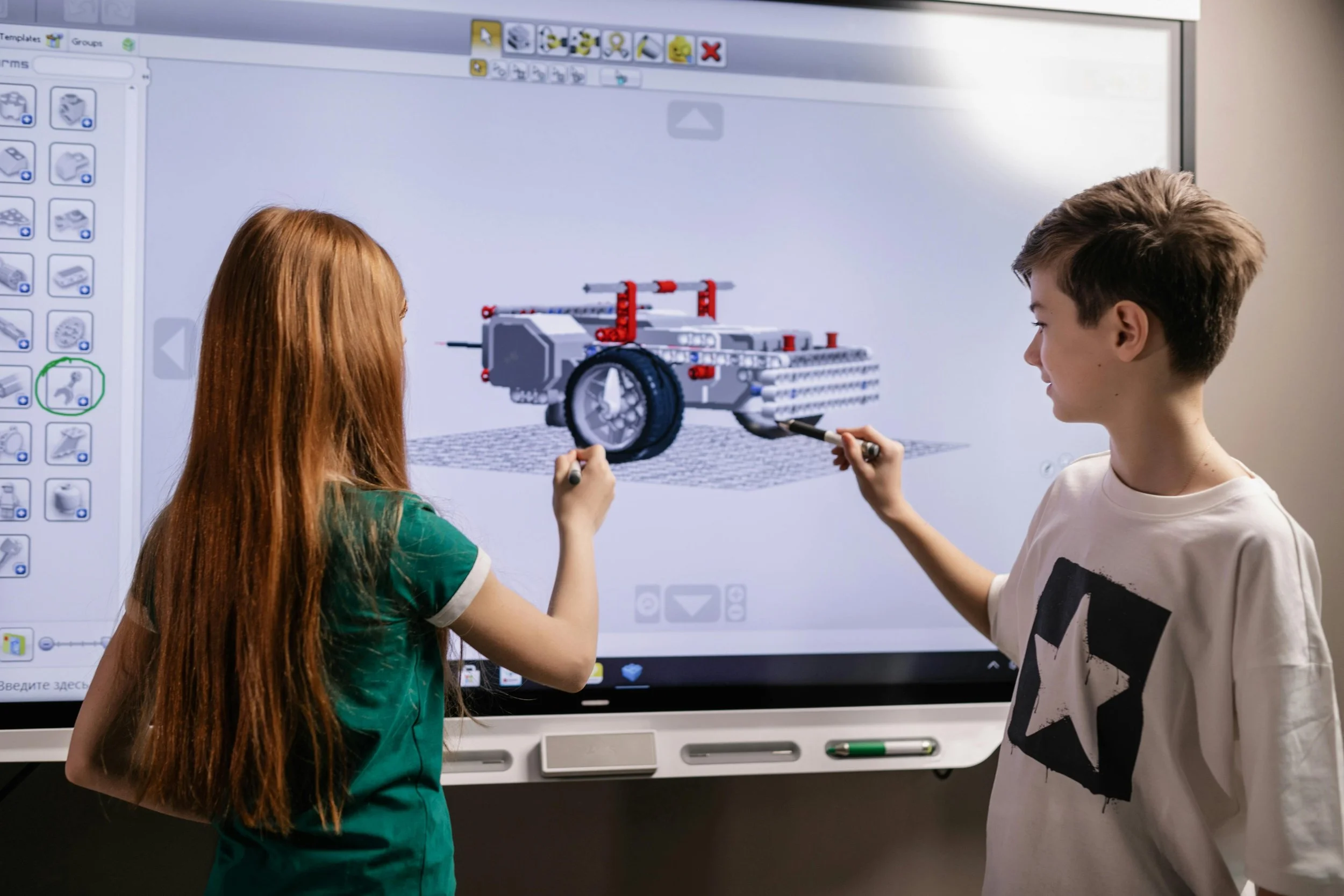
STEAM education is an approach to teaching that brings together science, technology, engineering, the arts and mathematics to help students understand how knowledge is used in the real world. Rather than teaching subjects in isolation, STEAM connects them through problem-solving, creativity and practical application.
It’s not about adding more content. It’s about changing how learning happens.
What does STEAM stand for?
STEAM stands for:
Science – understanding the natural world
Technology – using tools and systems to solve problems
Engineering – designing and building solutions
Arts – creativity, design, communication and critical thinking
Mathematics – reasoning, patterns and quantitative understanding
The key difference is not the subjects themselves, but how they are brought together. STEAM encourages students to think across disciplines, not within them.
STEM vs Steam: what’s the difference?
STEM focuses on science, technology, engineering and maths, often emphasising technical knowledge and problem-solving within individual subjects. STEAM builds on this by including the arts, bringing creativity, design and communication into the mix. This shifts learning from being subject-specific to more cross-disciplinary, where students are encouraged to connect ideas across different areas.
As a result, solutions are not just functional, but also consider how they are used and experienced. Adding the “A” is not about turning science into art, but about recognising that creativity and design play a crucial role in solving real-world problems.
Why STEAM matters for future careers
The way people work is changing. Employers are increasingly looking for individuals who can:
Apply knowledge in unfamiliar situations
Think creatively as well as analytically
Work across disciplines and collaborate effectively
Understand both technical systems and human needs
STEAM reflects this shift. It helps students develop not just subject knowledge, but the ability to use that knowledge in meaningful ways.
In 2026, this matters more than ever. Careers are evolving quickly, and many roles students will enter don’t fit neatly into one subject area. A STEAM approach better prepares them for that reality.
What does STEAM look like in schools?
In schools, STEAM is less about standalone projects and more about how learning is structured day to day.
It might look like a science lesson on climate change that brings in data analysis from maths, digital modelling through technology and the design of a campaign or solution using creative skills.
A design and technology project could involve building a prototype through engineering, testing materials using scientific thinking and presenting ideas visually.
Even a maths lesson can connect to real-world contexts like architecture, finance or coding, helping students see how their learning applies beyond the classroom.
The aim is to make learning feel connected and purposeful, rather than divided into separate subjects.
Bringing it into practice
STEAM is often talked about as an idea, but its real value comes from how it’s applied in classrooms and schools.
That’s where conversations around education, skills and industry come together. Understanding how subjects connect, how careers are evolving and how teaching can reflect that is central to making STEAM meaningful.
At BRILLIANT, this is explored through practical examples, real-world insight and approaches that can be taken straight back into the classroom. The focus is not just on what STEAM is, but how it works in practice.
BRILLIANT Festival is happening on 10th November 2026 at the Exhibition Centre in Liverpool from 8.30am.
We’ve got an incredible array of speakers on the agenda already, with more to be added in due course.