Every Learner Is Different: So How Do We Create Education That Adapts to Them?
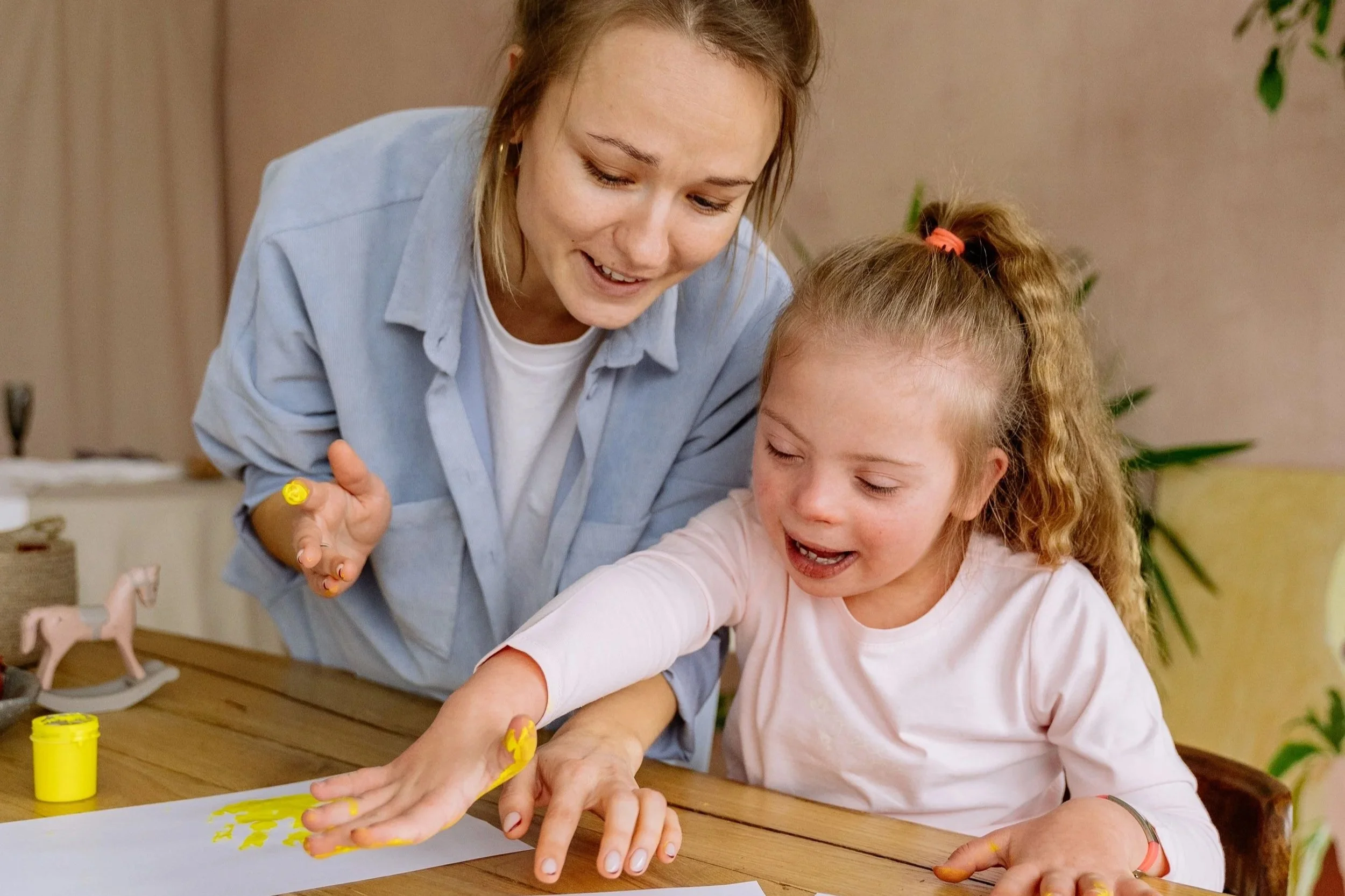
Every learner learns at different speeds, responds to different environments, communicates in different ways and brings their own strengths, challenges, interests and experiences into the classroom.
Education has traditionally been built around consistency offering the same lesson, the same environment, the same expectations and often the same measures of success for every pupil.
For many young people, particularly those with SEND, that approach can create barriers to learning that have little to do with their actual ability.
So perhaps the question shouldn't be how do we help learners fit the classroom? But how can we create classrooms that can adapt to the learners within them?
What does an adaptive classroom look like?
An adaptive classroom isn't about creating an entirely different lesson for every student. It's about recognising that there can be different routes to the same learning outcome.
For one learner, that might mean having more time to process information. For another, it could mean visual prompts, assistive technology or the opportunity to demonstrate understanding in a different way. Some learners might benefit from greater structure and predictability, while others engage more deeply when they have freedom to explore, create and solve problems independently.
Small changes to the way learning is designed and delivered can make a significant difference.
And importantly, many approaches developed with SEND in mind can improve the learning experience for everyone.
Clearer instructions, flexible resources, varied ways to participate, accessible technology and opportunities for practical learning don't only support pupils with identified additional needs, they can create better classrooms full stop.
Re-engaging learners who have fallen out of love with learning
For young people who have struggled repeatedly, learning can become associated with frustration, anxiety or failure. Re-engagement therefore isn't simply about getting someone to complete the work. It's about rebuilding confidence and helping them rediscover curiosity.
That means recognising strengths as well as needs. STEAM education can have a particularly interesting role here because science, technology, engineering, arts and maths can give learners opportunities to experiment, build, design, question and solve problems.
For a learner who hasn't flourished through more traditional approaches, being given the opportunity to make something, test an idea or tackle a real-world problem can offer a completely different way into learning.
Could AI make education more adaptable?
Artificial intelligence is adding another dimension to the conversation.
When used thoughtfully, AI has the potential to help educators make learning more responsive. It can support differentiation, make information available in different formats, help generate resources at different levels and give some learners additional ways to communicate, practise and explore ideas, but technology shouldn't replace the human understanding that makes inclusion possible.
A teacher can notice when a learner is overwhelmed, recognise when confidence is growing, understand the difference between disengagement and difficulty and know when a student needs encouragement rather than another piece of technology.
The most interesting question, then, isn't whether AI can create an inclusive classroom for us, it's how human intelligence and artificial intelligence can work together to give educators more ways to support individual learners.
Preparing every young person for a changing world
Adaptable education also matters because we're preparing young people for a world that isn't standing still.
AI, automation and emerging technologies are changing industries and job roles. The careers today's pupils eventually enter may look very different from the ones we recognise now.
That makes skills such as creativity, problem solving, communication, collaboration, digital literacy and adaptability increasingly important.
Preparing young people for the future workforce cannot mean preparing only those who thrive within traditional academic structures. It means recognising different strengths and giving young people different opportunities to discover what they're capable of.
A learner who struggles with one aspect of education might be an exceptional problem solver. Another might have extraordinary creativity, technical ability, attention to detail or an ability to approach a challenge from an angle nobody else has considered.
Building education around the learner
There isn't one definition of the perfect inclusive classroom because there isn't one type of learner.
Creating more inclusive education isn't necessarily about finding a single new model to replace the old one. It's about creating environments with enough flexibility to recognise that young people learn differently – and making sure those differences don't become barriers to opportunity.
At BRILLIANT, SEND and inclusive education will be part of a much bigger conversation about how we prepare young people for the world ahead.
We'll explore adaptive classrooms, re-engaging learners with SEN, the potential of AI, future workforce readiness and why uncertainty might be one of the most important skills we can teach.
Because if the future is going to demand adaptability from young people, perhaps education needs to demonstrate a little more adaptability too.
Join us at BRILLIANT and be part of the conversation about creating an inclusive future for every learner.
BRILLIANT Festival is taking place at Liverpool Experience Campus on 10th November from 8.30am.